نابلس – فلسطين
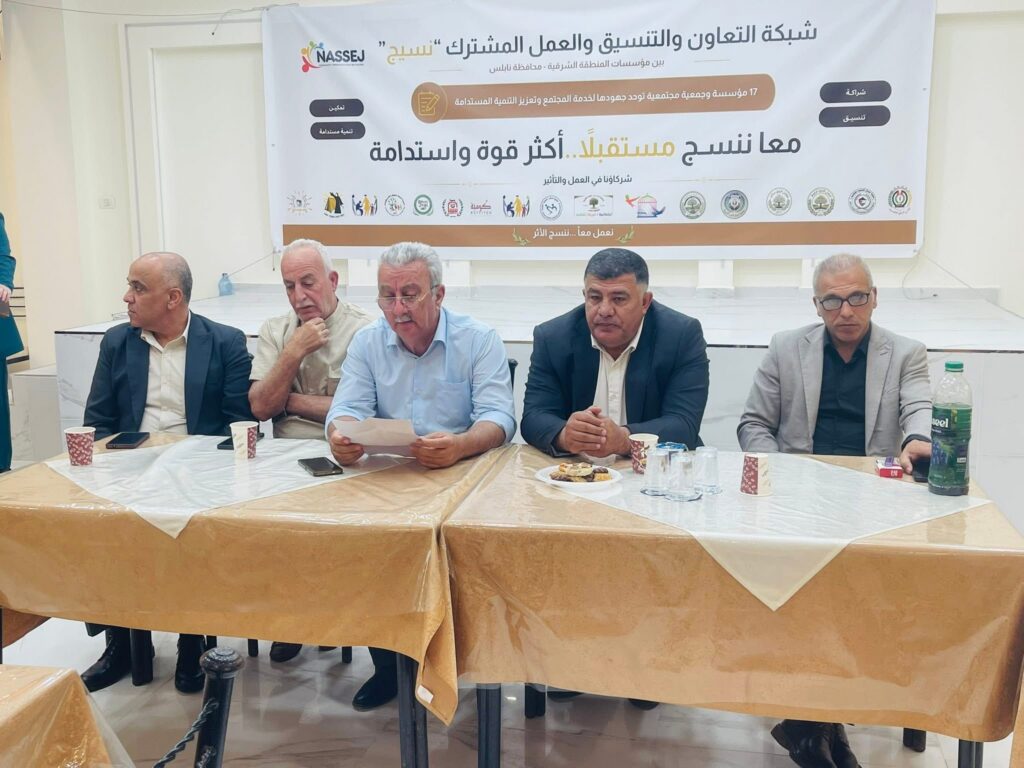
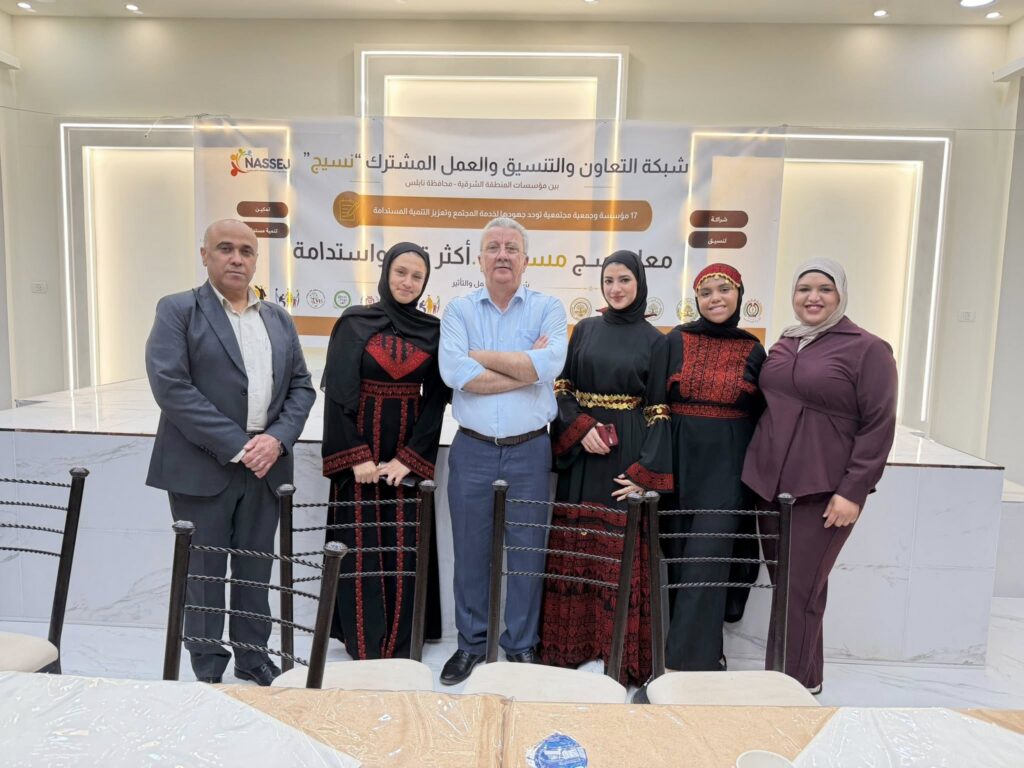
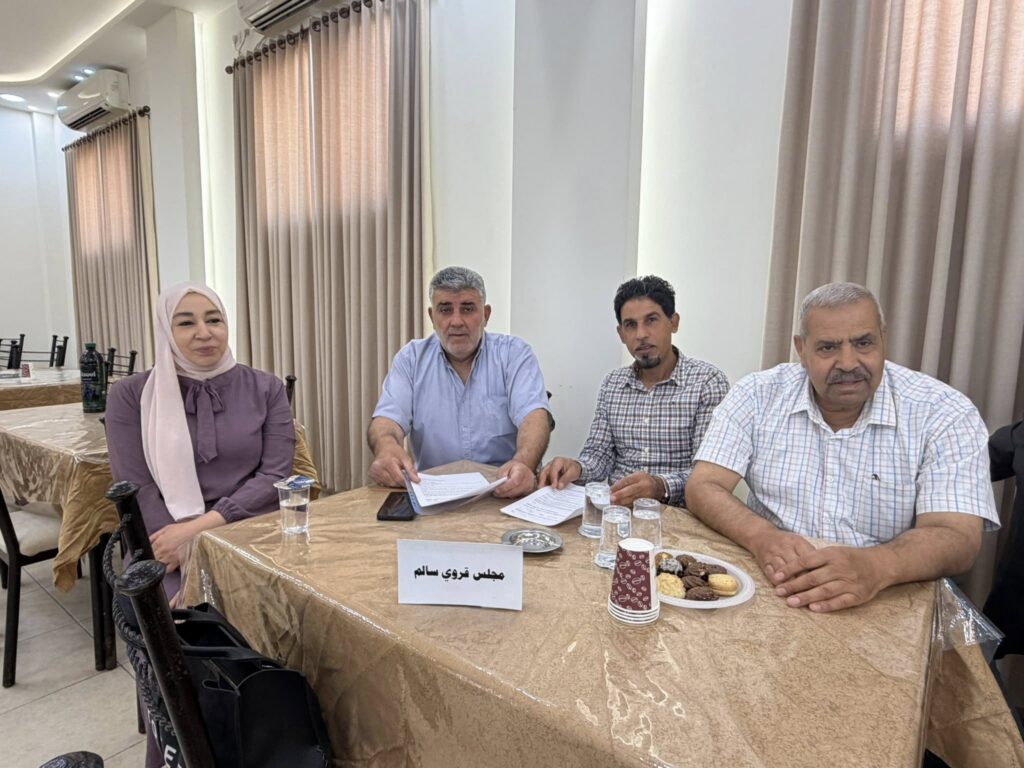
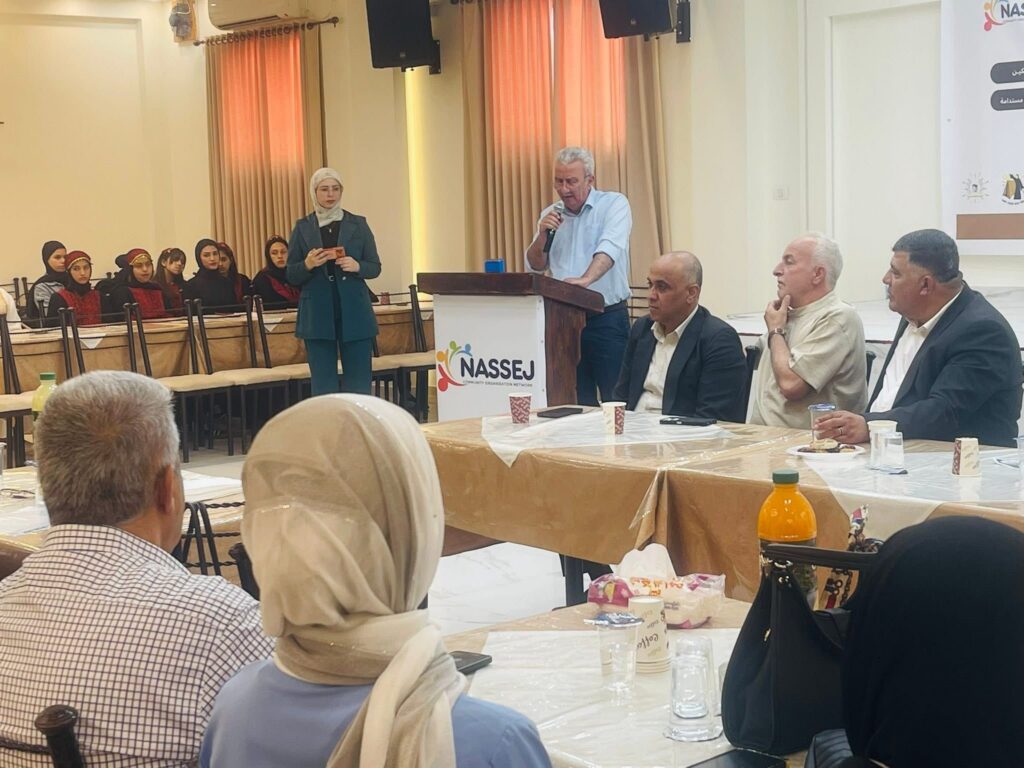
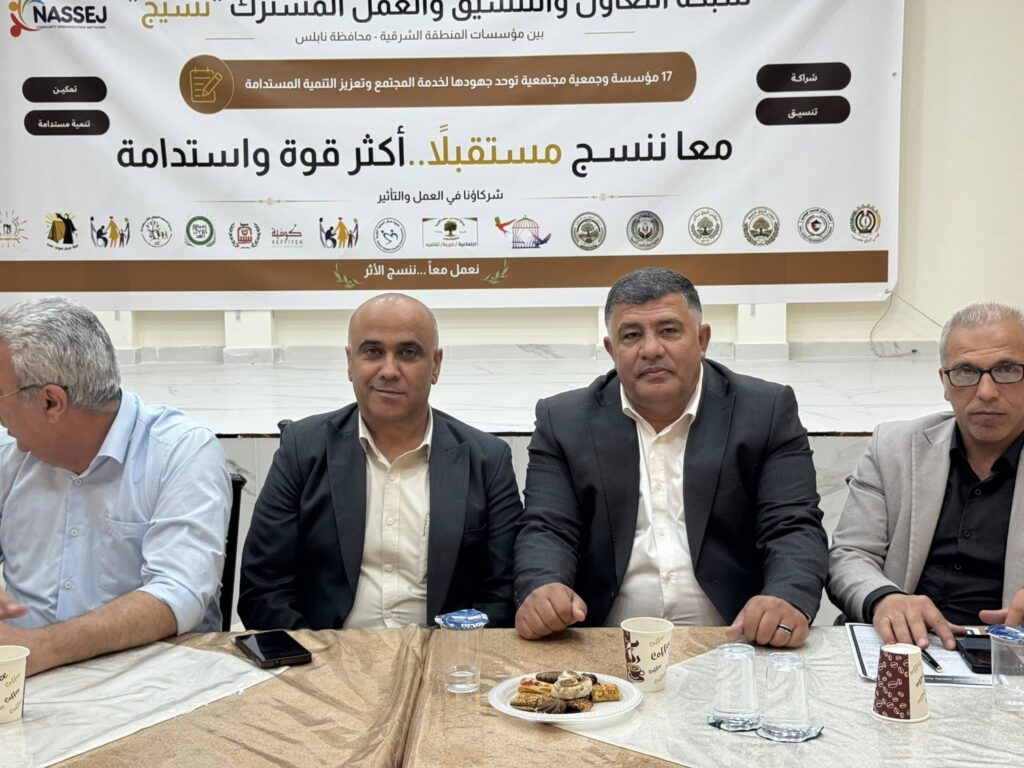
في خطوة نوعية تعكس تطور العمل الأهلي وتعزز نهج الشراكة المجتمعية، أُطلقت رسميًا شبكة المؤسسات المجتمعية “نسيج” برعاية عطوفة محافظ نابلس السيد غسان دغلس، خلال فعالية وطنية نظمتها جمعية عسكر للتنمية والتطوير المجتمعي، بمشاركة 17 مؤسسة أهلية وجمعية خيرية ومجلسًا قرويًا من المنطقة الشرقية لمحافظة نابلس، وذلك بهدف توحيد الجهود وتعزيز التكامل المؤسسي لخدمة المجتمع المحلي وتحقيق تنمية مستدامة أكثر تأثيرًا وفاعلية.
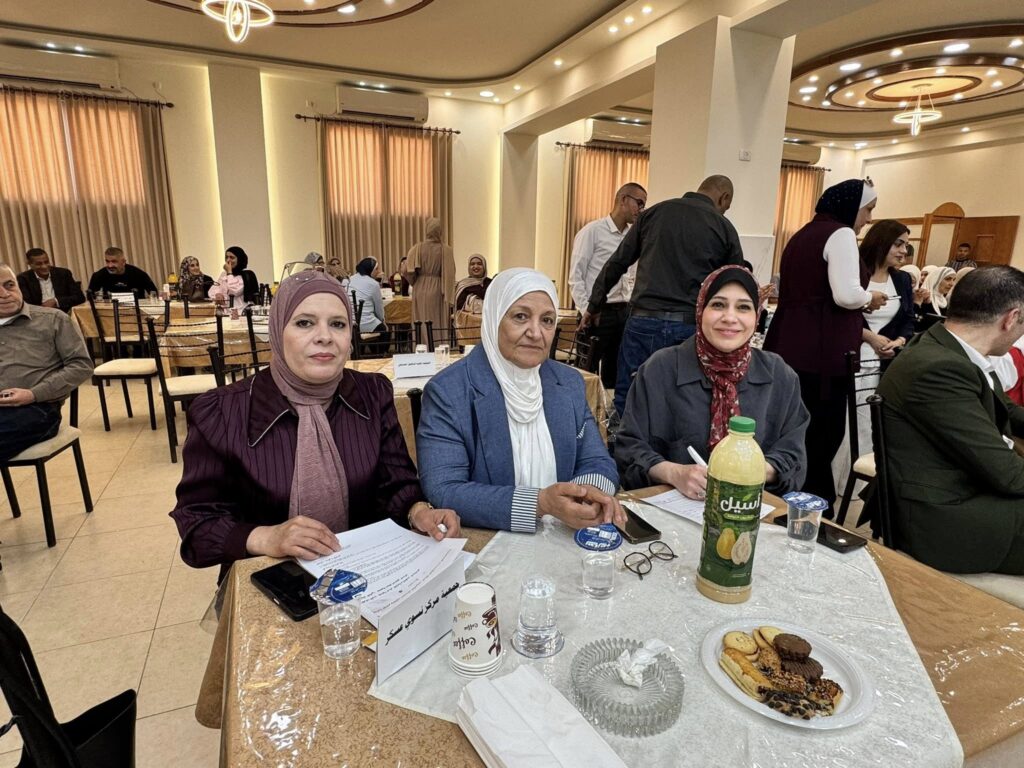
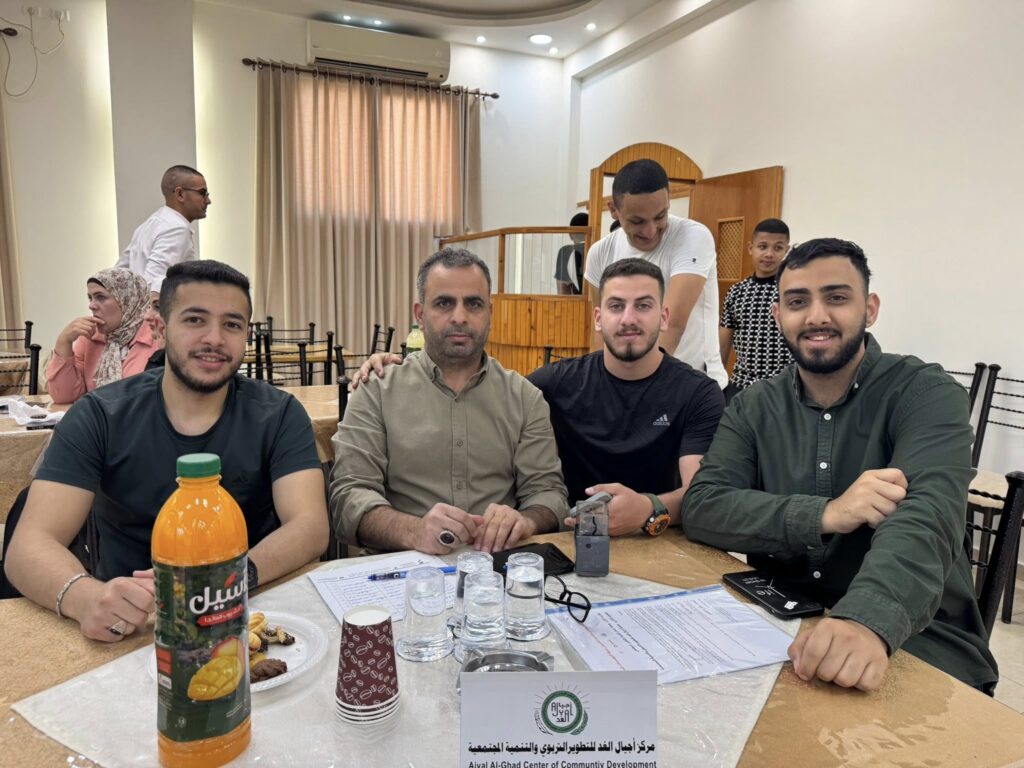
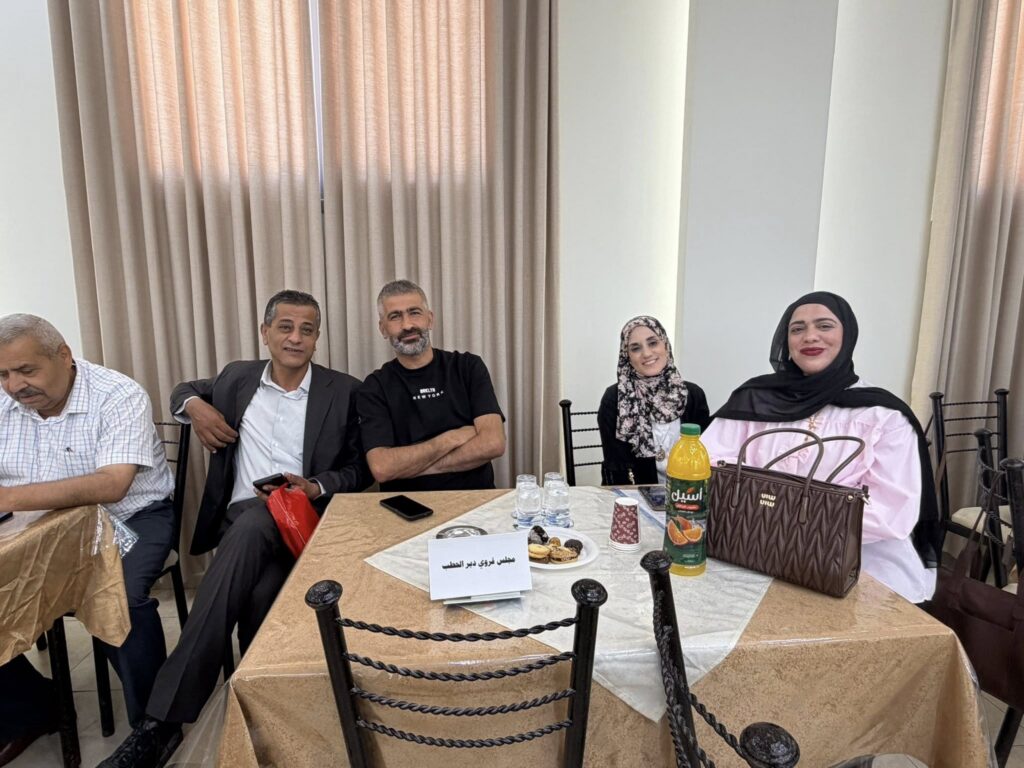
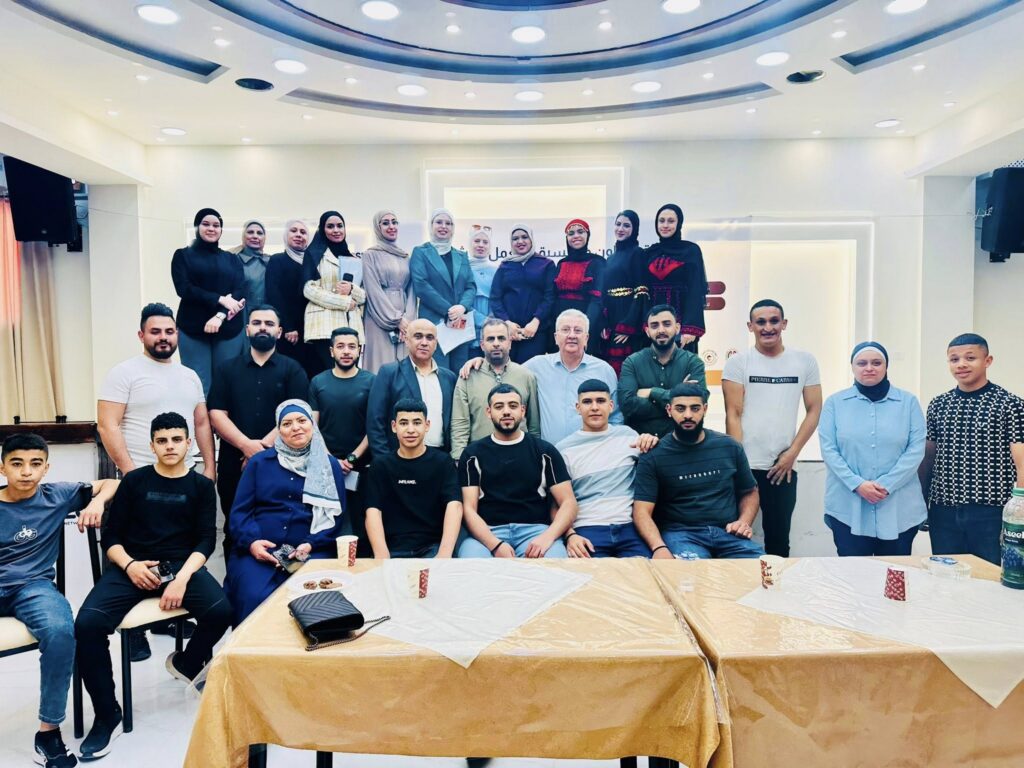
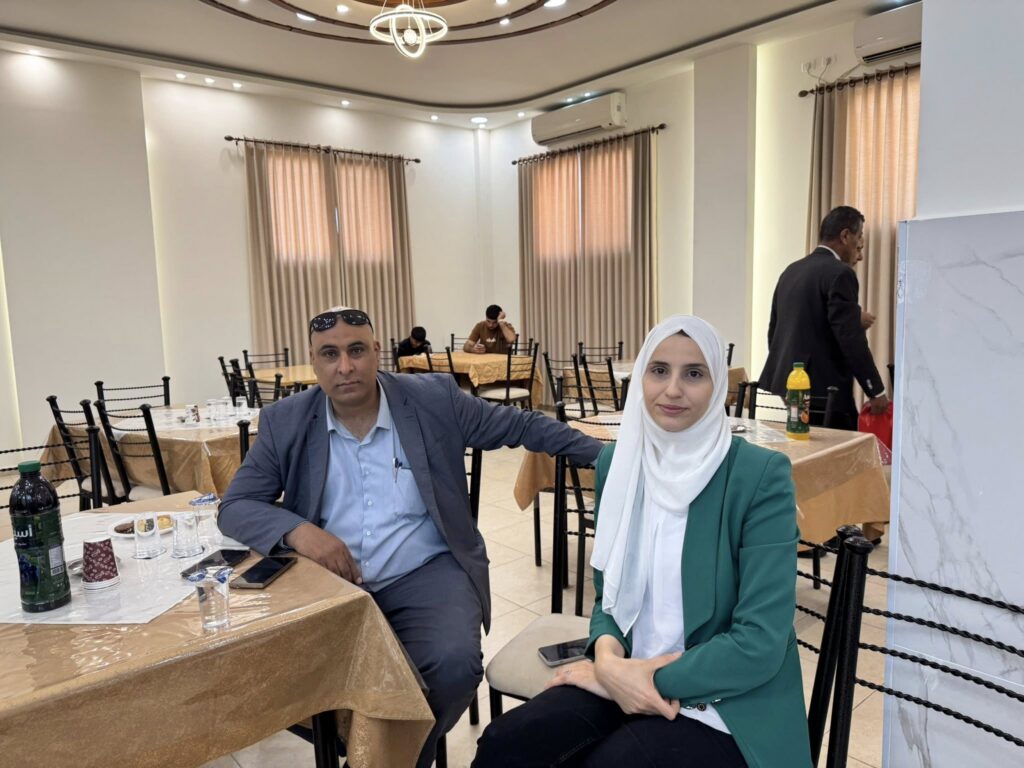
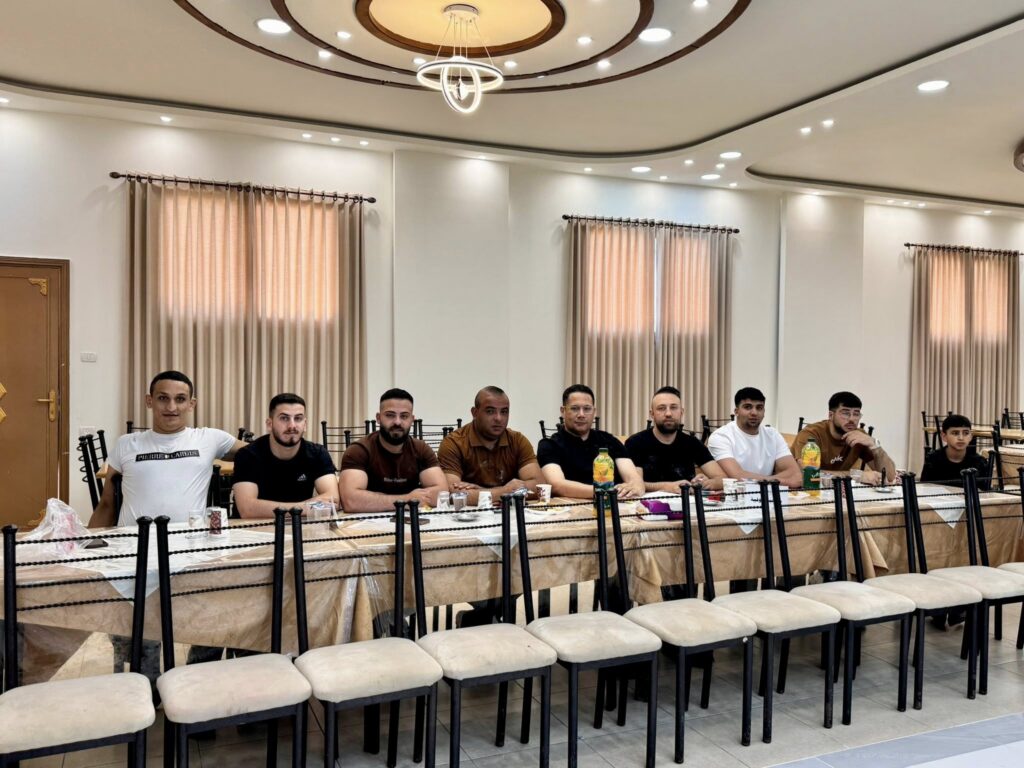
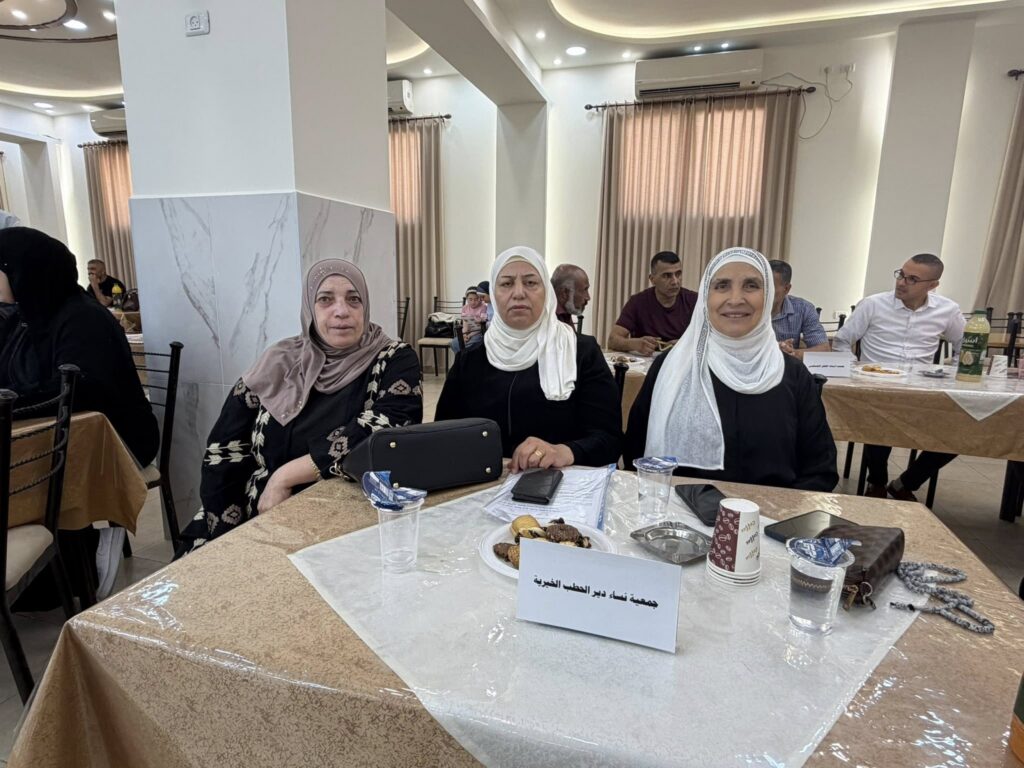
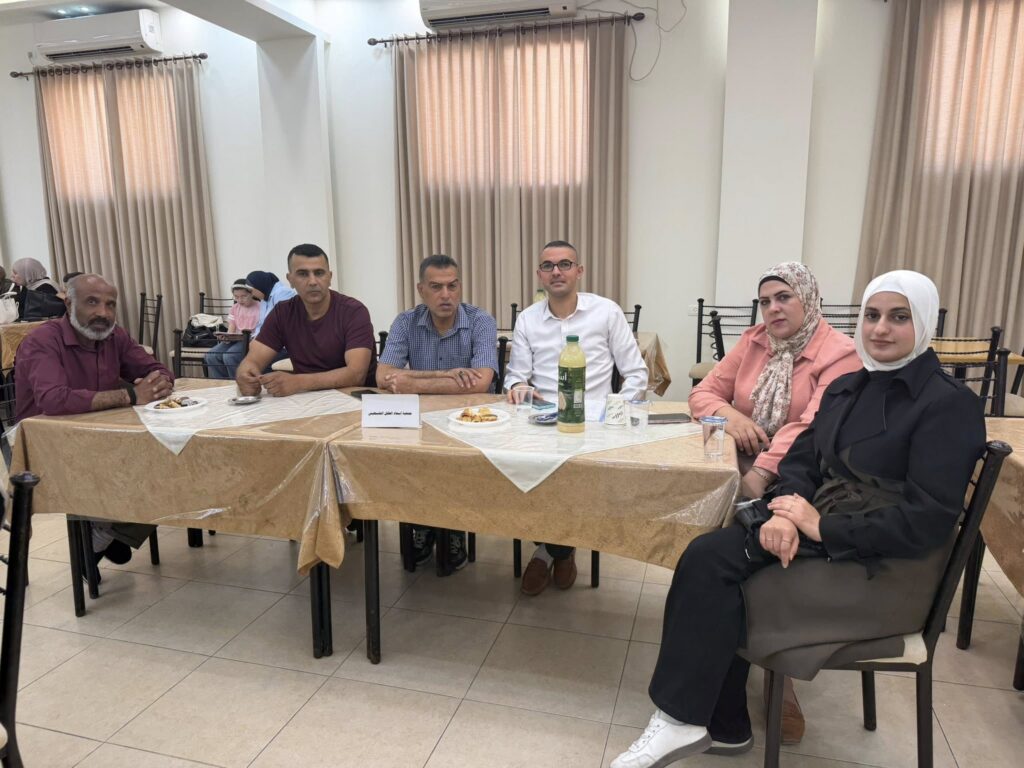
وشهدت الفعالية حضورًا رسميًا ومجتمعيًا واسعًا ضم ممثلين عن المؤسسات الأهلية والهيئات المحلية والشخصيات الاعتبارية والقيادات المجتمعية، في مشهد عكس حجم الإجماع على أهمية بناء إطار مؤسسي موحد يجمع الطاقات والخبرات والموارد تحت مظلة عمل تشاركي يسهم في مواجهة التحديات التنموية والاقتصادية والاجتماعية التي تواجه المجتمع الفلسطيني.
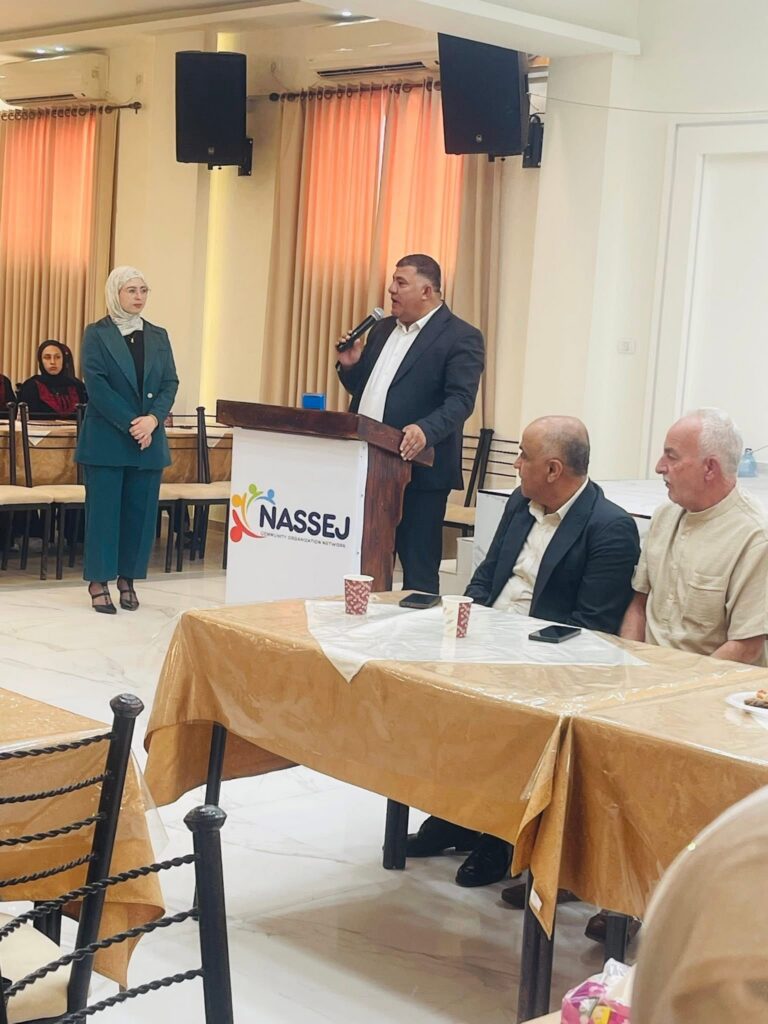
وأكد عطوفة المحافظ غسان دغلس في كلمته أن تأسيس شبكة “نسيج” يمثل نموذجًا متقدمًا للعمل الوطني والمجتمعي المشترك، مشيدًا بروح المبادرة التي أظهرتها المؤسسات المشاركة وإدراكها لأهمية الانتقال من الجهود الفردية إلى العمل الجماعي المنظم. وأشار إلى أن تعزيز الشراكات المحلية أصبح ضرورة وطنية في ظل الظروف الراهنة، مؤكدًا دعم محافظة نابلس الكامل لكل المبادرات التي تعزز صمود المواطنين وتساهم في تحسين جودة الخدمات المقدمة لهم.
وأضاف دغلس أن التكامل بين المؤسسات الأهلية والهيئات المحلية يشكل أحد أهم ركائز التنمية المستدامة، وأن توحيد الإمكانات والخبرات يخلق فرصًا أكبر للاستجابة لاحتياجات المجتمع وتنفيذ مشاريع تنموية ذات أثر ملموس ومستدام.
من جانبه، أكد رئيس جمعية عسكر للتنمية والتطوير المجتمعي السيد أمجد الرفاعي أن إطلاق شبكة “نسيج” جاء تتويجًا لسلسلة من اللقاءات والمشاورات التي جمعت المؤسسات العاملة في المنطقة الشرقية، وانطلاقًا من إيمان راسخ بأهمية بناء جسم تنسيقي قادر على تطوير العمل المجتمعي وتحقيق التكامل بين مختلف الفاعلين المحليين.
وأوضح الرفاعي أن الشبكة تهدف إلى بناء شراكات استراتيجية مستدامة، وتطوير برامج ومبادرات مشتركة تستجيب لأولويات المجتمع المحلي، وتعزيز تبادل الخبرات والموارد، وتوحيد الجهود في مجالات التنمية والتمكين المجتمعي والإغاثة والخدمات الاجتماعية والتعليمية والصحية.
وأشار إلى أن “نسيج” لا تمثل مجرد إطار تنسيقي، بل رؤية تنموية متكاملة تسعى إلى إحداث أثر حقيقي ومستدام في حياة المواطنين، مؤكداً أن باب العضوية سيبقى مفتوحاً أمام كافة المؤسسات الأهلية والمجالس المحلية والهيئات المجتمعية الراغبة في الانضمام والمساهمة في تحقيق أهداف الشبكة ورسالتها.
بدورها، أكدت السيدة وهيبة صالح، رئيسة جمعية مركز نسوي عسكر وعضو شبكة “نسيج”، أن الشبكة تمثل مساحة حقيقية للتكامل وتبادل الخبرات بين المؤسسات المختلفة، مشيرة إلى أن العمل التشاركي يفتح آفاقًا أوسع أمام تنفيذ المبادرات المجتمعية النوعية، ويعزز دور المرأة والمؤسسات القاعدية في عملية التنمية وصناعة التغيير الإيجابي داخل المجتمع.
كما أكد الدكتور أشرف الصايغ، رئيس جمعية عيبال للتنمية الوطنية وأحد أعضاء الشبكة، أن تأسيس “نسيج” يعكس مستوى متقدمًا من الوعي المؤسسي بأهمية العمل الجماعي المنظم، مشددًا على أن التحديات المتزايدة التي تواجه المجتمع الفلسطيني تتطلب أطرًا تعاونية قادرة على توحيد الجهود واستثمار الموارد بكفاءة أعلى لتحقيق أثر تنموي أوسع وأكثر استدامة.
ومن جهته، أوضح السيد محمد اشتية (أبو عهد)، عضو شبكة “نسيج”، أن احتياجات المواطنين المتزايدة تستدعي تطوير نماذج جديدة للعمل المشترك بين المؤسسات والهيئات المحلية، مؤكدًا أن الشبكة ستسهم في رفع كفاءة الخدمات التنموية والاجتماعية وتوسيع نطاق وصولها إلى الفئات الأكثر احتياجًا، من خلال تنسيق الجهود وتكامل الأدوار وتوحيد الإمكانات المتاحة.
وتهدف شبكة “نسيج” إلى بناء منصة مجتمعية جامعة تعمل على تعزيز التعاون والتنسيق بين المؤسسات الأهلية والهيئات المحلية، وتطوير المبادرات والمشاريع المشتركة، ودعم التمكين المجتمعي، وتعزيز المشاركة المجتمعية، وتبادل الخبرات والموارد، واستقطاب الشراكات والفرص التنموية التي تسهم في تحسين الواقع الاجتماعي والاقتصادي في المنطقة الشرقية من محافظة نابلس.
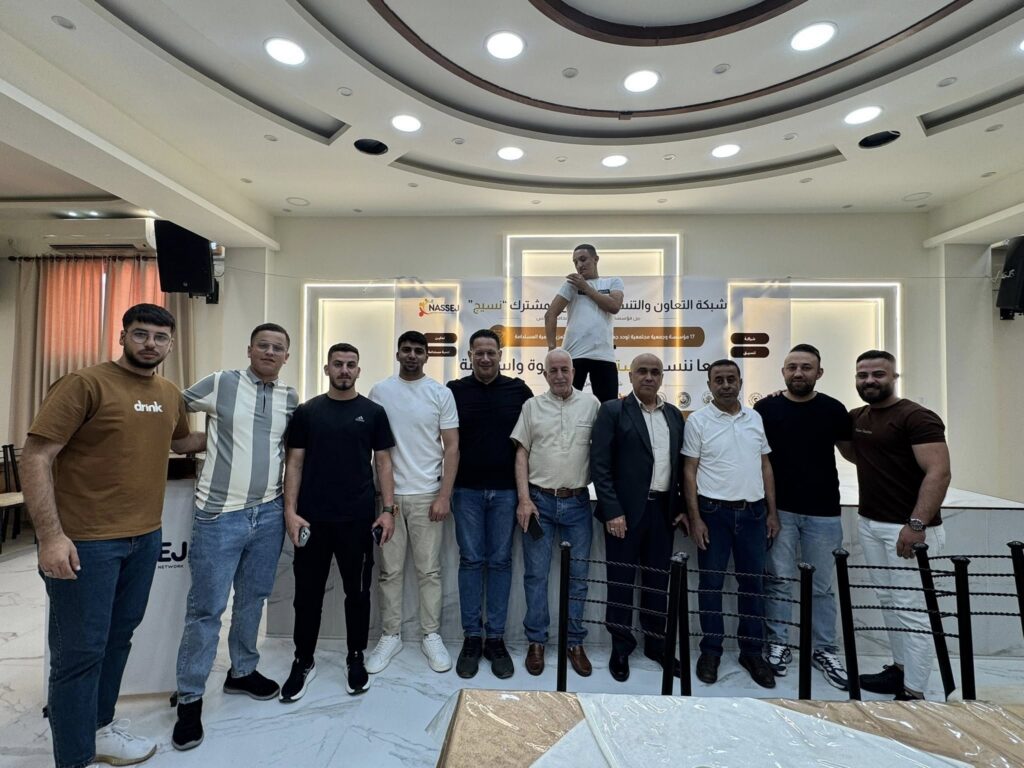
واختُتمت الفعالية بتوقيع مذكرة التفاهم المؤسسة للشبكة من قبل الجهات المشاركة، وسط تأكيد جماعي على المضي قدمًا في تطوير “نسيج” لتكون نموذجًا وطنيًا رائدًا في العمل التشاركي والتنمية المجتمعية المستدامة.
كما أعلنت الشبكة عن قرب إطلاق أولى مبادراتها المشتركة، وفي مقدمتها معرض “نسيج” الوطني، الذي يُنتظر أن يكون أكبر معرض مجتمعي من نوعه في المنطقة بمشاركة 17 مؤسسة أهلية ومجتمعية، بما يعكس روح التعاون والتكامل التي قامت عليها الشبكة، ويعزز حضورها كمنصة تنموية فاعلة تخدم المجتمع الفلسطيني وتدعم صموده وتطلعاته نحو مستقبل أكثر استقرارًا وازدهارًا.
ــــــــــــــــــــــــــــــــــــــــــــــــــــــــــــــــــــــــــــــــــــــــــــــــــــــــــــــــــــــــــــــــــــــــــــــــــــــــــــــــــــــــــــــــــــــــــــــــــــــــــــــــــــــــــــــــــــــــــــــــــــــــــــــــــــــــــــــــ
Under the Patronage of the Governor of Nablus: Launch of the “Naseej” Community Institutions Network to Promote Partnership and Sustainable Development in the Eastern Region
Nablus – Palestine
In a significant step reflecting the advancement of civil society work and strengthening the spirit of community partnership, the “Naseej” Community Institutions Network was officially launched under the patronage of the Governor of Nablus, Mr. Ghassan Daghlas, during a national event organized by the Askar Association for Community Development and Advancement. The initiative brought together 17 civil society organizations, charitable associations, and a village council from the eastern region of Nablus Governorate, with the aim of unifying efforts, enhancing institutional integration, and advancing sustainable development that delivers greater impact to local communities.
The event witnessed broad official and community participation, including representatives of civil society organizations, local authorities, community leaders, and prominent figures, reflecting a shared commitment to establishing a unified institutional framework that brings together expertise, resources, and capacities under a collaborative approach capable of addressing the developmental, economic, and social challenges facing Palestinian society.
In his remarks, Governor Ghassan Daghlas praised the establishment of the “Naseej” Network as an advanced model of national and community cooperation. He commended the participating institutions for their initiative and their recognition of the importance of moving from individual efforts toward organized collective action. He emphasized that strengthening local partnerships has become a national necessity under current circumstances and reaffirmed the Governorate’s full support for initiatives that enhance community resilience and improve the quality of services provided to citizens.
Daghlas further noted that integration between civil society organizations and local authorities represents one of the fundamental pillars of sustainable development, stressing that combining resources and expertise creates greater opportunities to respond effectively to community needs and implement development projects with tangible and lasting impact.
For his part, Mr. Amjad Al-Rifai, President of the Askar Association for Community Development and Advancement, stated that the launch of the “Naseej” Network is the culmination of a series of consultations and coordination meetings among institutions operating in the eastern region. He explained that the initiative stems from a strong belief in the importance of establishing a coordinating body capable of strengthening community action and fostering integration among local actors.
Al-Rifai explained that the network aims to build sustainable strategic partnerships, develop joint initiatives and programs that respond to community priorities, facilitate the exchange of expertise and resources, and coordinate efforts in the fields of development, community empowerment, relief, social services, education, and healthcare.
He stressed that “Naseej” is not merely a coordination mechanism but a comprehensive development vision seeking to create meaningful and sustainable impact in the lives of citizens. He also announced that membership will remain open to civil society organizations, local councils, and community-based institutions wishing to contribute to the network’s mission and objectives.
Meanwhile, Ms. Wahiba Saleh, President of the Askar Women’s Center Association and a member of the network, emphasized that the initiative provides a genuine platform for cooperation and knowledge exchange among institutions. She highlighted the role of collaborative action in expanding opportunities for impactful community initiatives and strengthening the role of women and grassroots organizations in driving positive social change.
Similarly, Dr. Ashraf Al-Sayegh, President of the Eibal Association for National Development and a member of the network, noted that the establishment of “Naseej” reflects a high level of institutional awareness regarding the importance of organized collective action. He stressed that the growing challenges facing Palestinian society require cooperative frameworks capable of maximizing resources and generating broader and more sustainable development outcomes.
For his part, Mr. Mohammad Ashniya (Abu Ahed), a member of the network, stated that the increasing needs of citizens call for innovative models of cooperation between civil society organizations and local authorities. He emphasized that the network will contribute to improving the efficiency of development and social services while expanding their reach to vulnerable groups through coordinated efforts, integrated roles, and shared resources.
The “Naseej” Community Institutions Network seeks to establish a comprehensive platform that promotes cooperation and coordination among civil society organizations and local authorities, develops joint initiatives and projects, supports community empowerment, strengthens civic participation, facilitates the exchange of expertise and resources, and attracts partnerships and development opportunities that contribute to improving social and economic conditions in the eastern region of Nablus Governorate.
The event concluded with the signing of the Memorandum of Understanding establishing the network, amid a collective commitment to further developing “Naseej” into a leading national model for collaborative community action and sustainable local development.
The network also announced the upcoming launch of its first joint initiatives, including the “Naseej National Exhibition,” which is expected to become the largest community exhibition of its kind in the region, reflecting the spirit of cooperation and integration upon which the network was founded and reinforcing its role as an effective development platform serving Palestinian society and strengthening its resilience and aspirations for a more stable and prosperous future.
ـــــــــــــــــــــــــــــــــــــــــــــــــــــــــــــــــــــــــــــــــــــــــــــــــــــــــــــــــــــــــــــــــــــــــــــــــــــــــــــــــــــــــــــــــــــــــــــــــــــــــــــــــــــــــــــــــــــــــــــــــــــــــــــــــــــــــــ
Sous le patronage du Gouverneur de Naplouse : Lancement du Réseau des Institutions Communautaires « Naseej » pour promouvoir le partenariat et le développement durable dans la région orientale
Naplouse – Palestine
Dans une étape qualitative reflétant l’évolution du travail associatif et renforçant l’esprit de partenariat communautaire, le Réseau des Institutions Communautaires « Naseej » a été officiellement lancé sous le patronage du Gouverneur de Naplouse, M. Ghassan Daghlas, lors d’un événement national organisé par l’Association d’Askar pour le Développement et le Progrès Communautaire.
Cette initiative rassemble 17 associations, organisations caritatives et un conseil villageois de la région orientale du gouvernorat de Naplouse, avec pour objectif d’unifier les efforts, de renforcer l’intégration institutionnelle et de promouvoir un développement durable ayant un impact plus important sur les communautés locales.
L’événement a réuni de nombreux représentants des institutions de la société civile, des autorités locales, des personnalités communautaires et des figures de premier plan, illustrant une volonté commune de créer un cadre institutionnel unifié regroupant ressources, expertises et capacités dans une approche collaborative capable de répondre aux défis économiques, sociaux et de développement auxquels la société palestinienne est confrontée.
Dans son discours, M. Ghassan Daghlas a salué la création du réseau « Naseej », le qualifiant de modèle avancé de coopération nationale et communautaire. Il a souligné l’importance du passage des initiatives individuelles à une action collective organisée, affirmant que le renforcement des partenariats locaux constitue aujourd’hui une nécessité nationale. Il a également réaffirmé le soutien total du gouvernorat à toutes les initiatives contribuant à renforcer la résilience des citoyens et à améliorer la qualité des services qui leur sont destinés.
De son côté, M. Amjad Al-Rifai, président de l’Association d’Askar pour le Développement et le Progrès Communautaire, a indiqué que le lancement du réseau est l’aboutissement d’une série de consultations et de rencontres de coordination entre les institutions actives dans la région orientale. Il a expliqué que « Naseej » vise à établir des partenariats stratégiques durables, à développer des programmes et initiatives conjoints répondant aux priorités de la communauté locale, ainsi qu’à favoriser l’échange d’expertises et de ressources.
Mme Wahiba Saleh, présidente du Centre Féminin d’Askar et membre du réseau, a souligné que cette initiative constitue un véritable espace de coopération et de partage d’expériences entre les institutions. Elle a également mis en avant son rôle dans le renforcement de la participation des femmes et des organisations communautaires au développement local.
Pour sa part, Dr Ashraf Al-Sayegh, président de l’Association Eibal pour le Développement National et membre du réseau, a affirmé que la création de « Naseej » reflète une prise de conscience institutionnelle avancée de l’importance du travail collectif organisé. Il a insisté sur la nécessité de renforcer la coordination afin de relever efficacement les défis économiques et sociaux actuels.
M. Mohammad Ashniya (Abu Ahed), membre du réseau, a déclaré que les besoins croissants des citoyens exigent de nouveaux modèles de coopération entre les institutions communautaires et les autorités locales. Il a ajouté que le réseau contribuera à améliorer l’efficacité des services de développement et des services sociaux, tout en élargissant leur portée aux groupes les plus vulnérables.
Le Réseau des Institutions Communautaires « Naseej » vise à créer une plateforme unifiée favorisant la coopération et la coordination entre les organisations de la société civile et les collectivités locales, à développer des initiatives et projets communs, à promouvoir l’autonomisation communautaire, à renforcer la participation citoyenne et à attirer des partenariats et opportunités de développement contribuant à l’amélioration des conditions sociales et économiques dans la région orientale du gouvernorat de Naplouse.
L’événement s’est conclu par la signature du protocole d’accord fondateur du réseau, dans une atmosphère marquée par un engagement collectif à faire de « Naseej » un modèle national de référence en matière de partenariat communautaire et de développement local durable.
Le réseau a également annoncé le lancement prochain de ses premières initiatives communes, notamment le « Salon National Naseej », appelé à devenir le plus grand événement communautaire de ce type dans la région, reflétant l’esprit de coopération et d’intégration qui constitue le fondement même du réseau et renforçant son rôle en tant que plateforme de développement au service de la société palestinienne.