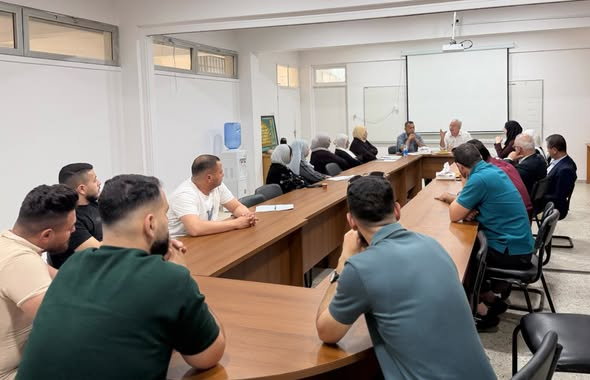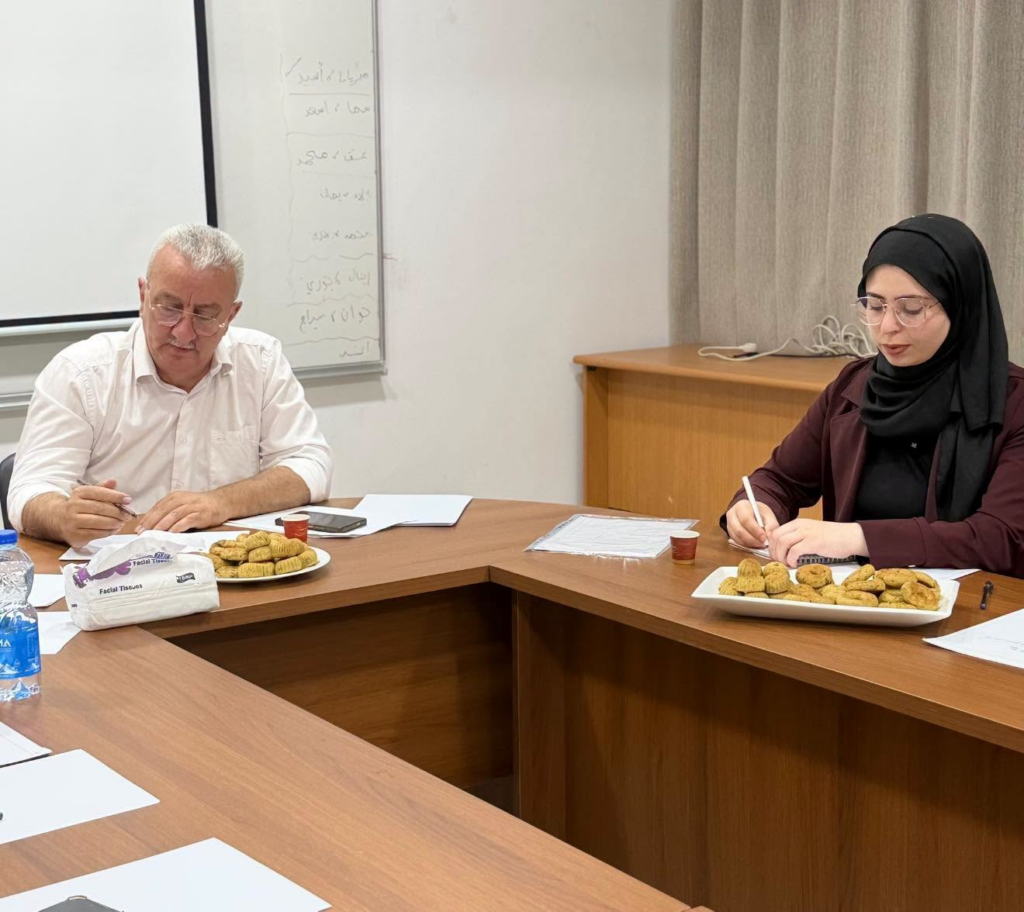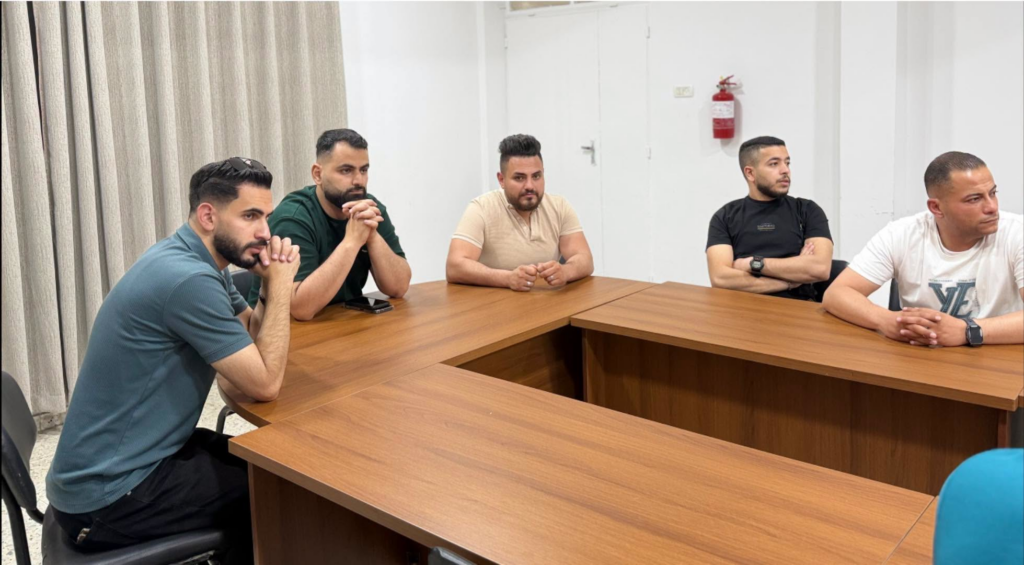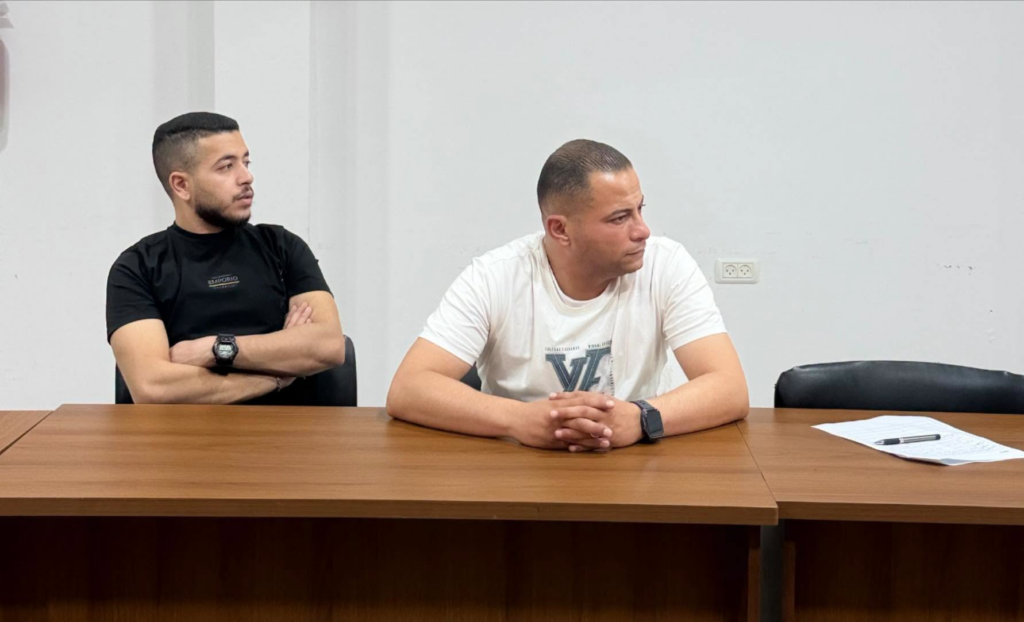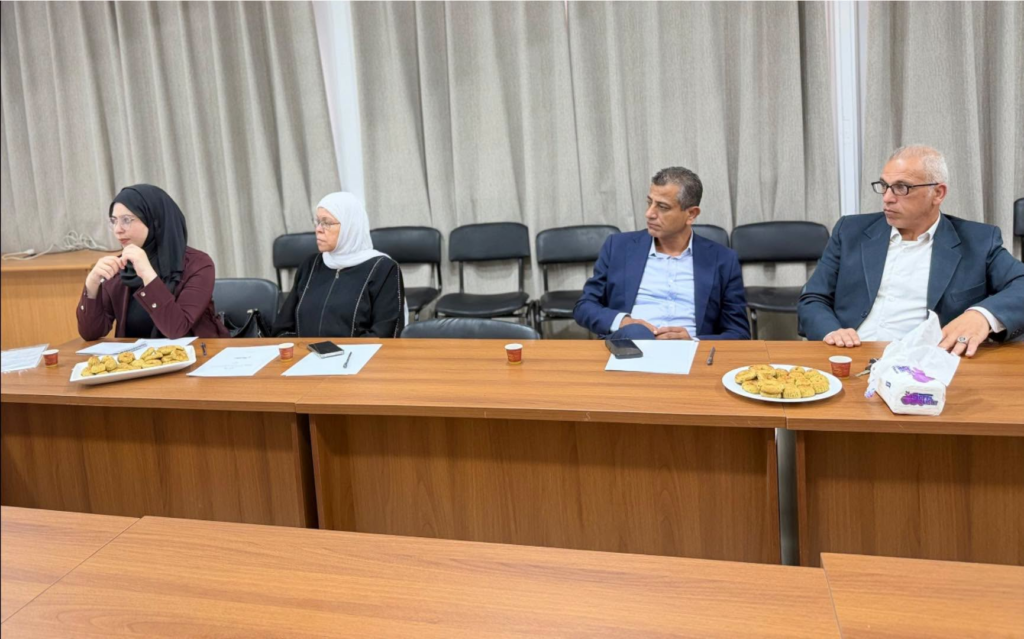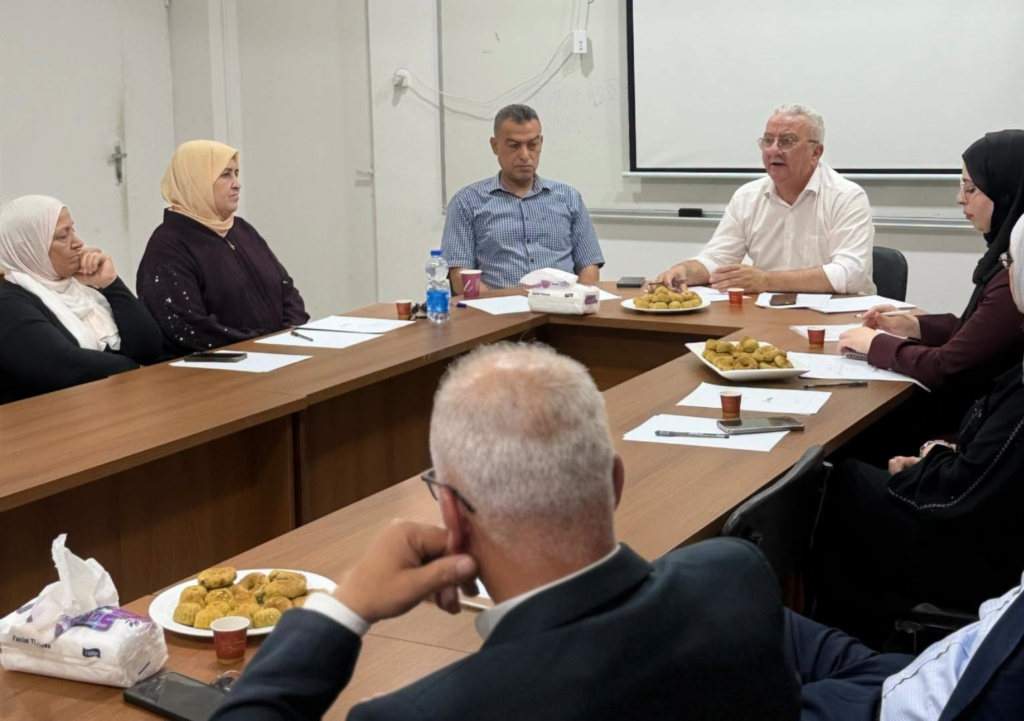
عقدت شبكة المؤسسات المجتمعية “نسيج” اجتماعها الأول اليوم في مركز نسوي عسكر القديم، بمشاركة ممثلي المؤسسات الأعضاء في الشبكة، وذلك لبحث خطة العمل للفترة المقبلة ومناقشة مجموعة من الرؤى والأفكار التطويرية الرامية إلى تعزيز التنسيق والتعاون المشترك بين المؤسسات الأعضاء، بما يسهم في تطوير المبادرات والبرامج المجتمعية وتحقيق أثر تنموي مستدام.
واستعرض المشاركون خلال الاجتماع أولويات المرحلة القادمة، وآليات تطوير العمل المشترك بين المؤسسات، وتعزيز الشراكات المجتمعية، إلى جانب مناقشة عدد من المبادرات والمشاريع التي يمكن تنفيذها بشكل جماعي تحت مظلة شبكة “نسيج”، بما يعكس روح التعاون والتكامل بين المؤسسات ويعزز قدرتها على الاستجابة لاحتياجات المجتمع المحلي.
وأكد المجتمعون أن تأسيس شبكة “نسيج” يمثل خطوة مهمة نحو بناء إطار تنسيقي فاعل يجمع المؤسسات المجتمعية ويوحد جهودها، بما يسهم في تبادل الخبرات والموارد وتطوير مبادرات نوعية تخدم مختلف فئات المجتمع.
وقال أمجد الرفاعي، رئيس الهيئة الإدارية لجمعية عسكر للتنمية والتطوير المجتمعي وعضو شبكة نسيج:
“يمثل اجتماع اليوم محطة مهمة في مسيرة الشبكة، حيث نعمل على ترسيخ مفهوم الشراكة الحقيقية بين المؤسسات المجتمعية، بما يعزز من قدرتها على تنفيذ مبادرات مشتركة أكثر تأثيراً واستدامة. ونؤمن أن تكامل الأدوار وتوحيد الجهود هو الطريق الأمثل لتحقيق تنمية مجتمعية شاملة تخدم أبناء مجتمعنا.”
من جانبها، أكدت وهيبة صالح، الرئيس التنفيذي لمركز نسوي عسكر القديم وعضو شبكة نسيج، أن الشبكة تشكل مساحة مهمة للحوار والتخطيط والتنسيق المشترك بين المؤسسات الأعضاء، مشيرة إلى أن المرحلة المقبلة ستشهد العمل على تطوير برامج ومبادرات مشتركة تسهم في تعزيز المشاركة المجتمعية وتمكين مختلف الفئات.
وأضافت:
“نتطلع إلى أن تكون شبكة نسيج نموذجاً ناجحاً للعمل التشاركي، وأن تسهم في بناء جسور تعاون مستدامة بين المؤسسات بما ينعكس إيجاباً على المجتمع المحلي ويعزز من فاعلية البرامج والخدمات المقدمة للمواطنين.”
بدوره، قال خالد مسيمي، رئيس جمعية إسعاد الطفل الفلسطيني وعضو شبكة نسيج:
“إن أهمية شبكة نسيج تكمن في قدرتها على جمع المؤسسات حول رؤية مشتركة وأهداف موحدة تخدم المجتمع المحلي. ونحن بحاجة اليوم أكثر من أي وقت مضى إلى تعزيز العمل الجماعي وتبادل الخبرات وتطوير مبادرات مشتركة تركز على الأطفال والشباب والنساء وكافة الفئات المجتمعية، بما يحقق أثراً تنموياً حقيقياً ومستداماً.”
وفي ختام الاجتماع، اتفق المشاركون على مواصلة عقد الاجتماعات الدورية، والعمل على إعداد خطة تنفيذية للأنشطة والمبادرات المقترحة، وتعزيز قنوات التواصل والتنسيق بين المؤسسات الأعضاء، بما يسهم في ترسيخ ثقافة الشراكة والتكامل وتعزيز دور شبكة “نسيج” كإطار جامع للمؤسسات المجتمعية في خدمة المجتمع وتنميته.
ـــــــــــــــــــــــــــــــــــــــــــــــــــــــــــــــــــــــــــــــــــــــــــــــــــــــــــــــــــــــــــــــــــــــــــــــــــــــــــــــــــــــــــــــــــــــــــــــــــــــــــــــــــــــــــــــــــــــــــــــــــــــــــــــــــــــــــ
Community Institutions Network “Naseej” Holds Its First Meeting and Emphasizes the Importance of Integrated Community Action
The Naseej Community Institutions Network held its first meeting today at the Askar Old Camp Women’s Center, with the participation of representatives from member institutions. The meeting aimed to discuss the network’s action plan for the coming period and explore a range of developmental ideas and visions designed to strengthen coordination and cooperation among member organizations, thereby enhancing community initiatives and development programs and achieving sustainable impact.
Participants reviewed priorities for the upcoming phase, mechanisms for strengthening joint action among institutions, and ways to enhance community partnerships. They also discussed several initiatives and projects that could be implemented collectively under the umbrella of the Naseej Network, reflecting the spirit of cooperation and integration among institutions and increasing their ability to respond to local community needs.
The participants emphasized that the establishment of the Naseej Network represents an important step toward creating an effective coordinating framework that brings community institutions together, unifies their efforts, facilitates the exchange of expertise and resources, and supports the development of high-quality initiatives serving various segments of society.
Amjad Al-Rifai, Chairman of the Board of Directors of the Askar Association for Community Development and Advancement and a member of the Naseej Network, stated:
“Today’s meeting marks an important milestone in the journey of the network. We are working to establish a genuine model of partnership among community institutions that enhances their ability to implement joint initiatives with greater impact and sustainability. We believe that integrating efforts and unifying roles is the best path toward achieving comprehensive community development that serves our people.”
For her part, Waheeba Saleh, Executive Director of the Askar Old Camp Women’s Center and a member of the Naseej Network, stressed that the network provides an important platform for dialogue, planning, and coordination among member institutions. She noted that the coming phase will focus on developing joint programs and initiatives that promote community participation and empower different groups within society.
She added:
“We aspire for the Naseej Network to become a successful model of collaborative work and to contribute to building sustainable partnerships among institutions in a way that positively impacts the local community and enhances the effectiveness of services and programs provided to citizens.”
Meanwhile, Khaled Masimi, President of the Palestinian Child Welfare Association and a member of the Naseej Network, said:
“The importance of the Naseej Network lies in its ability to bring institutions together around a shared vision and common goals that serve the local community. Today, more than ever, we need to strengthen collective action, exchange expertise, and develop joint initiatives focusing on children, youth, women, and all segments of society in order to achieve meaningful and sustainable development impact.”
At the conclusion of the meeting, participants agreed to continue holding regular meetings, develop an implementation plan for the proposed activities and initiatives, and strengthen communication and coordination among member institutions, thereby reinforcing a culture of partnership and integration and enhancing the role of the Naseej Network as a unifying framework for community institutions serving society and promoting development.
Le Réseau des Institutions Communautaires « Naseej » tient sa première réunion et souligne l’importance de l’action communautaire intégrée
Le Réseau des Institutions Communautaires « Naseej » a tenu aujourd’hui sa première réunion au Centre Féminin du Camp d’Askar Ancien, avec la participation des représentants des institutions membres du réseau. Cette rencontre avait pour objectif de discuter du plan d’action pour la période à venir et d’examiner plusieurs visions et idées de développement visant à renforcer la coordination et la coopération entre les institutions membres, afin de développer les initiatives et programmes communautaires et de générer un impact durable.
Les participants ont examiné les priorités de la prochaine étape, les mécanismes de renforcement du travail conjoint entre les institutions, ainsi que les moyens de développer les partenariats communautaires. Ils ont également discuté de plusieurs initiatives et projets susceptibles d’être mis en œuvre collectivement sous l’égide du réseau Naseej, reflétant l’esprit de coopération et de complémentarité entre les institutions et renforçant leur capacité à répondre aux besoins de la communauté locale.
Les participants ont souligné que la création du réseau Naseej constitue une étape importante vers la mise en place d’un cadre de coordination efficace réunissant les institutions communautaires, unifiant leurs efforts, favorisant l’échange d’expériences et de ressources et contribuant au développement d’initiatives de qualité au service des différentes composantes de la société.
Amjad Al-Rifai, Président du Conseil d’Administration de l’Association d’Askar pour le Développement et l’Avancement Communautaire et membre du réseau Naseej, a déclaré :
« La réunion d’aujourd’hui représente une étape importante dans le parcours du réseau. Nous œuvrons à instaurer un véritable modèle de partenariat entre les institutions communautaires afin de renforcer leur capacité à mettre en œuvre des initiatives communes plus efficaces et plus durables. Nous sommes convaincus que la complémentarité des rôles et l’unification des efforts constituent la meilleure voie vers un développement communautaire global au service de notre population. »
De son côté, Waheeba Saleh, Directrice Exécutive du Centre Féminin du Camp d’Askar Ancien et membre du réseau Naseej, a souligné que le réseau constitue une plateforme essentielle de dialogue, de planification et de coordination entre les institutions membres. Elle a indiqué que la prochaine phase sera consacrée au développement de programmes et d’initiatives conjoints favorisant la participation communautaire et l’autonomisation des différents groupes de la société.
Elle a ajouté :
« Nous aspirons à faire du réseau Naseej un modèle réussi de travail collaboratif et à contribuer à la construction de partenariats durables entre les institutions, de manière à avoir un impact positif sur la communauté locale et à renforcer l’efficacité des services et programmes proposés aux citoyens. »
Pour sa part, Khaled Masimi, Président de l’Association Palestinienne pour le Bien-être de l’Enfant et membre du réseau Naseej, a déclaré :
« L’importance du réseau Naseej réside dans sa capacité à rassembler les institutions autour d’une vision commune et d’objectifs partagés au service de la communauté locale. Aujourd’hui plus que jamais, nous devons renforcer l’action collective, échanger nos expériences et développer des initiatives communes axées sur les enfants, les jeunes, les femmes et l’ensemble des composantes de la société afin de produire un impact réel et durable en matière de développement. »
À l’issue de la réunion, les participants ont convenu de poursuivre la tenue de réunions périodiques, d’élaborer un plan d’exécution pour les activités et initiatives proposées et de renforcer les mécanismes de communication et de coordination entre les institutions membres. Cette démarche vise à consolider la culture du partenariat et de la complémentarité et à renforcer le rôle du réseau Naseej en tant que cadre fédérateur des institutions communautaires au service de la société et du développement.